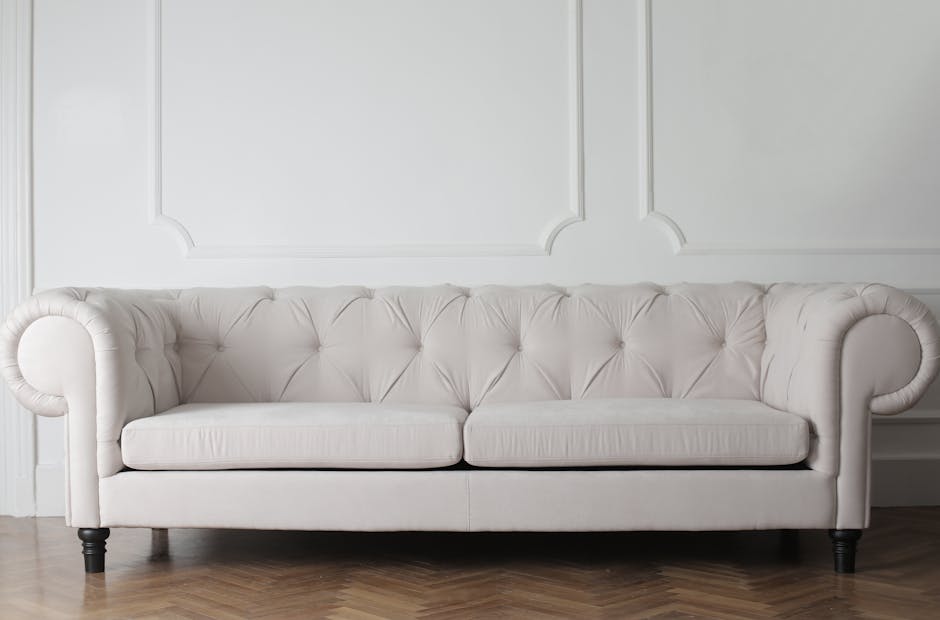
Mayfair sofa cleaning guide for Berkeley Square homes
If you own or rent a home near Berkeley Square, you already know the furniture has to work harder than it looks. A sofa in a Mayfair townhouse, apartment, or formal sitting room can take on everyday life quietly: coffee cups, city dust, traffic residue drifting in through open windows, the odd mark from a late-night glass of red. This Mayfair sofa cleaning guide for Berkeley Square homes is here to help you keep that central piece looking refined without damaging expensive fabric, leather, or detailing. There is a right way to do this, and a few wrong ones that can be costly. Let's make it straightforward.
Below, you will find how professional sofa cleaning works, what to do before and after treatment, how to avoid common mistakes, and when it makes sense to bring in a specialist. If your home needs broader care as well, a fuller deep cleaning service can be a sensible next step, especially when soft furnishings and surrounding surfaces all need attention together.
Table of Contents
- Why sofa cleaning matters in Berkeley Square homes
- How sofa cleaning works
- Key benefits and practical advantages
- Who this is for and when it makes sense
- Step-by-step guidance
- Expert tips for better results
- Common mistakes to avoid
- Tools, resources and recommendations
- Law, compliance and best practice
- Options, methods and comparison table
- Case study or real-world example
- Practical checklist
- Conclusion
- Frequently asked questions
Why Mayfair sofa cleaning guide for Berkeley Square homes Matters
In Berkeley Square homes, a sofa is rarely just a sofa. It is usually part of a carefully styled room, and people notice it the moment they walk in. That makes upkeep more than a housekeeping task; it becomes part of maintaining the look and feel of the property. A fresh, well-kept sofa can quietly lift the whole room. A dull, marked one can do the opposite, even if everything else is spotless.
There is also a practical side. Dust, skin oils, pet hair, and food residue build up gradually, and in London homes they tend to mix with fine airborne grime from outside. You may not see it on day one. Then, one afternoon, the light catches the armrest and suddenly the wear shows. Very rude, really.
Regular sofa cleaning matters because upholstery absorbs more than most people think. Fabric fibres can trap odours and particles, while leather can dry out, mark, or develop a patchy surface if it is cleaned badly. Even decorative cushions and trim can suffer if a one-size-fits-all method is used. This is why a careful approach is worth it.
It also supports a better overall home environment. Sofas are where families gather, guests sit, and people spend long evenings with the heating on and a blanket nearby. A cleaner sofa makes a room feel calmer and more looked after. That simple.
How Mayfair sofa cleaning guide for Berkeley Square homes Works
Good sofa cleaning starts with identifying the material. That sounds obvious, but it is the point where many mistakes begin. Velvet, linen, cotton blends, chenille, suede, leather, and synthetic fabrics all react differently to moisture, detergents, agitation, and drying time. A method that is fine for one fabric can flatten another or leave a tide mark. Not ideal.
Professional cleaning normally begins with a survey of the upholstery type, construction, stains, and any delicate features such as piping, embroidery, studs, or contrast stitching. After that, the cleaner chooses the right process. In many cases, this includes dry soil removal, targeted pre-treatment, controlled cleaning, and careful drying with airflow. For certain items, a gentler approach is needed, especially on antique or high-value furniture.
For homes with a broader housekeeping schedule, regular upkeep may sit alongside domestic cleaning or a one-off refresh, while heavily used furniture often benefits from a broader one-off cleaning visit when the whole property needs resetting. It is often about timing, not just technique.
Here is the plain-English version of the process:
- Identify the upholstery material and care instructions.
- Vacuum thoroughly, including creases and under cushions.
- Test any cleaning solution on a hidden area first.
- Treat spots individually rather than soaking the whole sofa.
- Use the lightest effective cleaning method.
- Dry the sofa properly to avoid damp smells or water marks.
That final step is where many DIY attempts go wrong. A sofa that looks clean but stays damp can develop odour, stiffness, or even visible rings. So yes, drying matters more than people think.
Key Benefits and Practical Advantages
The obvious benefit is appearance. A clean sofa looks brighter, richer in colour, and better matched to the rest of the room. But the practical advantages go well beyond looks.
- Longer furniture life: Dirt works like fine abrasive grit. Removing it helps reduce fibre wear.
- Better indoor freshness: Upholstery can hold on to stale smells from pets, cooking, and everyday living.
- Improved comfort: A cleaner fabric surface feels nicer against skin and clothing.
- Fewer stain emergencies: Once you know how fabric behaves, you are less likely to panic at every spill.
- Better presentation for guests or viewings: This matters in Berkeley Square homes where presentation tends to carry a lot of weight.
There is another benefit that is easy to overlook: confidence. When a sofa is clean, you stop worrying about people sitting on it. That sounds small, but it changes how a room is used. You relax a bit. Which is the point of a living space, after all.
If your sofa sits in a room that also has rugs, curtains, and floor coverings, it may make sense to combine upholstery care with rug cleaning or carpet cleaning. That helps the whole room feel consistent rather than half-done.
Who This Is For and When It Makes Sense
This guide is for anyone in Berkeley Square who wants their sofa to stay presentable without risking damage. That includes owners of period homes, modern apartments, pied-a-terres, rental properties, and homes used for entertaining. It also makes sense for anyone with light-coloured upholstery, pets, children, frequent guests, or an expensive sofa that deserves proper care.
It is especially useful if you have noticed any of the following:
- armrests looking darker than the rest of the sofa
- a faint musty or stale smell
- crumbs or grit caught in seams
- spills that have dried into the fabric
- flattened cushions that no longer look crisp
- leather that feels dry or slightly tacky
In our experience, people often wait until guests are due, then realise the sofa needs attention yesterday. Fair enough. Life happens. But a little planning gives you better results and far less stress.
It also makes sense after events that leave extra wear on the furniture: moving day, interior redecorating, post-renovation dust, family gatherings, or a run of wet weather when shoes and coats bring more grime indoors. If the surrounding room has just been redecorated, pairing upholstery care with after builders cleaning can be a sensible move because fine dust tends to settle on soft furnishings for days.
Step-by-Step Guidance
Here is a practical, careful process for maintaining a sofa in a Berkeley Square home. Some steps are simple. A couple need patience. That is normal.
- Check the care label. Look for cleaning codes or manufacturer guidance. If the label is missing, treat the sofa as delicate until proven otherwise.
- Vacuum properly. Use a soft upholstery attachment and work into seams, folds, under cushions, and along the base. This removes dry soil before it becomes mud with moisture.
- Identify stains first. Coffee, wine, body oils, ink, food grease, and pet marks all behave differently. Do not attack every stain with the same product.
- Spot test. Apply any solution to a hidden area first and check for colour change, texture shift, or residue.
- Pre-treat carefully. Dab, do not scrub. Work from the outside of the stain inward to avoid spreading it.
- Clean in sections. That helps control moisture and gives a more even finish.
- Blot and lift. Use clean cloths to absorb loosened soil. If you over-wet the area, stop and let it dry before continuing.
- Dry thoroughly. Open windows if the weather allows, use airflow, and keep people off the sofa until it is fully dry.
For leather, the approach is slightly different. Dry dusting, careful pH-appropriate cleaning, and conditioning are usually more suitable than heavy wet cleaning. For fabric, the priority is removing embedded soil without pushing it deeper. It sounds technical, but in practice it is mostly about restraint.
If your sofa is part of a wider cleaning project, matching it with upholstery cleaning as a specialist service can help when you have multiple chairs, headboards, or dining seats needing attention at the same time.
Expert Tips for Better Results
A few small habits make a noticeable difference. These are the sorts of things you tend to learn after seeing a lot of sofas up close, and yes, some of them are boring. But boring works.
- Vacuum weekly, not yearly. Regular light cleaning is easier than rescue work later.
- Rotate cushions. It helps wear look more even and prevents one side from ageing faster.
- Keep blankets and throws clean too. Otherwise you are re-soiling the sofa from the top down. Slightly annoying, but true.
- Use coasters and trays. A small table nearby protects fabric from spills and oils.
- Act quickly on fresh spills. The first minute matters more than a lot of people realise.
- Mind sunlight. Bright natural light is lovely in a Berkeley Square room, but it can fade some fabrics over time.
A useful rule: the more valuable or delicate the sofa, the more restrained the cleaning should be. If you are unsure, less is usually more. It is rarely wise to go in hard and hope for the best. That way lies a slightly soggy Tuesday and a regretful phone call.
For homes that also have hard floors and polished finishes, consider whether the whole room needs balancing care. A refreshed sofa can look odd next to dull floors, so a service like hard floor cleaning may help the room read as genuinely finished, not just half-polished.
Common Mistakes to Avoid
Most upholstery damage does not happen because people are careless. It happens because they are trying to be helpful and using the wrong method. That is a frustrating kind of mistake, because it feels sensible in the moment.
- Using too much water: Over-wetting can lead to marks, shrinkage, or a damp smell.
- Rubbing stains aggressively: This can spread the stain and fray fibres.
- Skipping the test patch: You do not want surprise discolouration on a visible seat cushion.
- Using the wrong product: Household cleaners can be too harsh for delicate upholstery.
- Ignoring the drying stage: A sofa that is still damp is not ready, even if it looks fine.
- Cleaning without checking the fabric: Velvet is not treated like microfiber, and leather certainly is not treated like cotton.
One small but common issue in Mayfair homes is trying to clean around decorative details without lifting them first. Loose cushions, reversible covers, and trims need a slower touch. If the design is bespoke, assume it requires bespoke handling. That is usually safer than the reverse.
Tools, Resources and Recommendations
You do not need a room full of equipment to maintain a sofa, but the right basics help. Think practical, not fancy.
| Tool or item | Best use | Why it helps |
|---|---|---|
| Soft upholstery attachment | Routine vacuuming | Removes dry dust without roughing up the fibres |
| Clean white microfibre cloths | Blotting and spot treatment | Lets you see what is being lifted from the fabric |
| Soft brush | Light agitation on durable fabrics | Helps loosen soil from textured upholstery |
| Fan or open-air drying | After cleaning | Reduces drying time and lingering odours |
| Care label or manufacturer instructions | Before any treatment | Prevents avoidable damage |
If your home is being refreshed more broadly, a planned one-off clean can be a practical way to coordinate upholstery, floors, kitchens, and dust-prone areas in one visit. That is often easier than juggling separate jobs over several weekends.
If you prefer to compare your options before booking, you can review pricing and quotes and make a calmer decision. Truth be told, a good quote is not just about the number; it is about what is included, how the fabric is assessed, and whether the work suits your sofa rather than forcing the sofa to suit the work.
Law, Compliance, Standards, or Best Practice
For sofa cleaning in private homes, there is usually no special legal process the homeowner needs to follow, but there are still sensible best practices. In the UK, service providers should work carefully, use products appropriately, and handle your property with due care. That sounds basic because it is basic. Still, it matters.
Best practice in upholstery cleaning generally includes:
- checking for fabric type and care codes before starting
- using suitable cleaning chemistry for the material
- taking reasonable precautions around delicate finishes
- explaining limitations honestly if a stain is permanent or age-related
- protecting flooring and nearby surfaces while work is carried out
Where professional cleaning companies are concerned, it is sensible to ask about insurance, safety procedures, and what happens if a fabric reacts unexpectedly. For extra reassurance, see the company's insurance and safety information and its health and safety policy. These pages do not replace good service, but they do tell you a lot about how seriously a business takes its work.
Environmental care also matters in affluent residential areas where people often prefer low-odour, more responsible methods. If that is important to you, a company's recycling and sustainability approach can be a useful tie-breaker when choosing who to trust.
Options, Methods, or Comparison Table
Different sofas need different methods, and the right choice is usually a balance between fabric type, soil level, and risk. Here is a simple comparison to help you think it through.
| Method | Best for | Strengths | Watch-outs |
|---|---|---|---|
| Vacuum and maintenance cleaning | Light everyday upkeep | Quick, low risk, useful between deeper cleans | Won't remove set-in stains or embedded grime |
| Spot cleaning | Fresh spills and small marks | Targets the problem area only | Can create patchiness if done badly |
| Wet extraction or deep fabric clean | Durable fabrics with visible soil | Thorough, effective on many common stains | Needs controlled moisture and proper drying |
| Dry or low-moisture cleaning | Delicate or moisture-sensitive fabrics | Lower risk of shrinkage or water marks | May be less effective on heavy staining |
| Leather cleaning and conditioning | Leather sofas and chairs | Helps preserve finish and flexibility | Wrong products can dry or stain the surface |
One practical point: the best method is not always the most powerful one. Sometimes the safest, gentlest option gives the best result because the sofa keeps its shape and finish. The goal is clean, yes, but also still handsome.
Case Study or Real-World Example
Here is a realistic example from the kind of home you see around Berkeley Square. A two-seater fabric sofa in a sitting room had developed darkening on the armrests and a faint smell that was more obvious in the evening than during the day. The owners had already tried a store-bought foam cleaner, which brightened one patch and made another look uneven. A very common story, honestly.
The fix began with a full vacuum, careful testing on a hidden section, and a fabric-appropriate clean in small sections. The armrests were treated separately because they held the heaviest build-up, and the cushions were dried with airflow rather than placed back immediately. The result was not magic. It was just careful work. But the sofa looked noticeably fresher, the room smelled cleaner, and the owners no longer felt the need to throw a blanket over the arms every evening.
That is the difference between cleaning for appearance and cleaning for long-term use. One gets you through a weekend. The other helps the furniture stay respectable for longer.
If the same property also needs help with dusty windows after a renovation or seasonal refresh, window cleaning can complete the room visually. Clean light through clean glass makes upholstery look better, which sounds small until you see the difference.
Practical Checklist
Use this checklist before you clean a sofa in a Berkeley Square home. It keeps you from rushing, which is usually where the trouble starts.
- Check the fabric label or manufacturer guidance.
- Vacuum the sofa fully, including seams and under cushions.
- Identify the type of stain before choosing a method.
- Test any cleaner in a hidden area.
- Protect surrounding furniture and flooring.
- Use minimal moisture unless the fabric allows more.
- Blot rather than scrub.
- Allow enough drying time.
- Rotate and fluff cushions after cleaning.
- Keep a note of any areas that may need professional attention next time.
Expert summary: the safest sofa cleaning is careful, material-led, and patient. In elegant homes, that usually delivers the best result anyway. Clean it well, dry it properly, and do not be tempted by the shortcut that promises everything in five minutes. Five-minute miracles are rarely real.
Get a free quote today and see how much you can save.
Conclusion
A sofa in a Berkeley Square home deserves more than a quick wipe and a hopeful spray. The best results come from understanding the fabric, treating stains properly, and choosing the right level of cleaning for the situation. Sometimes that means a careful DIY refresh. Sometimes it means bringing in a specialist who knows how to work around delicate materials, high-value finishes, and the realities of London living.
If you take one thing from this guide, let it be this: consistency beats panic. A little maintenance goes a long way, and the right method can keep a sofa looking elegant for years rather than seasons. That is good for the room, good for the furniture, and, frankly, good for your peace of mind.
And if the rest of the home needs attention too, a coordinated approach is usually the smartest one. Sofas, rugs, floors, windows, and general dust all tell the same story when a property is well cared for. Keep that story a good one.
Frequently Asked Questions
How often should a sofa be cleaned in a Berkeley Square home?
Light vacuuming should be done weekly if the sofa is used regularly. Deeper cleaning depends on fabric type, household traffic, pets, and whether the room is used for entertaining. Many homeowners find that a more thorough clean is sensible when the sofa begins to show visible dulling or odour rather than waiting for a major stain.
Can I clean a delicate fabric sofa myself?
Sometimes, yes, but only if you know the fabric and use a very cautious method. Delicate upholstery such as velvet, silk blends, or antique fabric can react badly to water, heat, or strong detergents. If there is any doubt, it is safer to keep to gentle vacuuming and leave deeper work to a specialist.
What is the biggest mistake people make when cleaning sofas?
Using too much water is probably the most common error. It can leave water marks, cause shrinkage, or create lingering smells. Aggressive rubbing is another major issue because it can spread the stain and damage the pile or weave.
Are leather sofas cleaned the same way as fabric sofas?
No, not at all. Leather needs a different approach, usually involving gentle cleaning, controlled products, and conditioning afterwards. Fabric methods can dry out or damage leather, so it is best not to treat them as interchangeable.
How long does a professionally cleaned sofa take to dry?
Drying time depends on the material, cleaning method, room temperature, airflow, and how much moisture was used. Some sofas dry quite quickly, while others need several hours or more. The important part is not to use the sofa until it is fully dry.
Can sofa cleaning remove old stains?
Sometimes it can reduce or remove them, but not every old stain can be fully lifted. The longer a stain has been in place, the more likely it has bonded with the fibres or altered the dye. A good cleaner should explain what is realistic before starting.
Is sofa cleaning worth it if the sofa looks fine?
Usually, yes. Sofas collect soil, oils, and odours long before they look dirty. Regular cleaning helps preserve the fabric, keep the room fresher, and reduce wear that is otherwise hidden from view.
Should I clean the sofa before or after redecorating?
Usually after, once dust and finishing work are complete. Builders' dust can settle on upholstery for days, so timing matters. If you have just had work done, it can be sensible to include a broader tidy-up alongside the sofa care.
Do I need to clean cushions separately?
Yes, if they are removable. Cushions often hold more dirt than the main frame, especially on the side facing the room. Cleaning them separately gives a more even finish and helps the whole sofa look balanced.
What should I ask a sofa cleaning company before booking?
Ask what fabric methods they use, how they test for colourfastness, what drying time to expect, whether they are insured, and how they handle delicate items. That gives you a much clearer picture than a price alone.
Can sofa cleaning help with pet smells?
Yes, often it can improve them significantly if the odour is from surface soil, hair, and general use. If the smell is caused by deeper contamination, the result may be partial rather than complete. Either way, a proper clean usually helps more than masking sprays do.
What if my sofa has both fabric and leather sections?
Mixed-material sofas need careful section-by-section treatment. Each material should be cleaned using the method that suits it best. A single product or technique is rarely appropriate for both, so this is one of those times when caution is genuinely useful.